How AI Agents and Chatbot Crawlers Are Changing What 'Referrer' Even Means
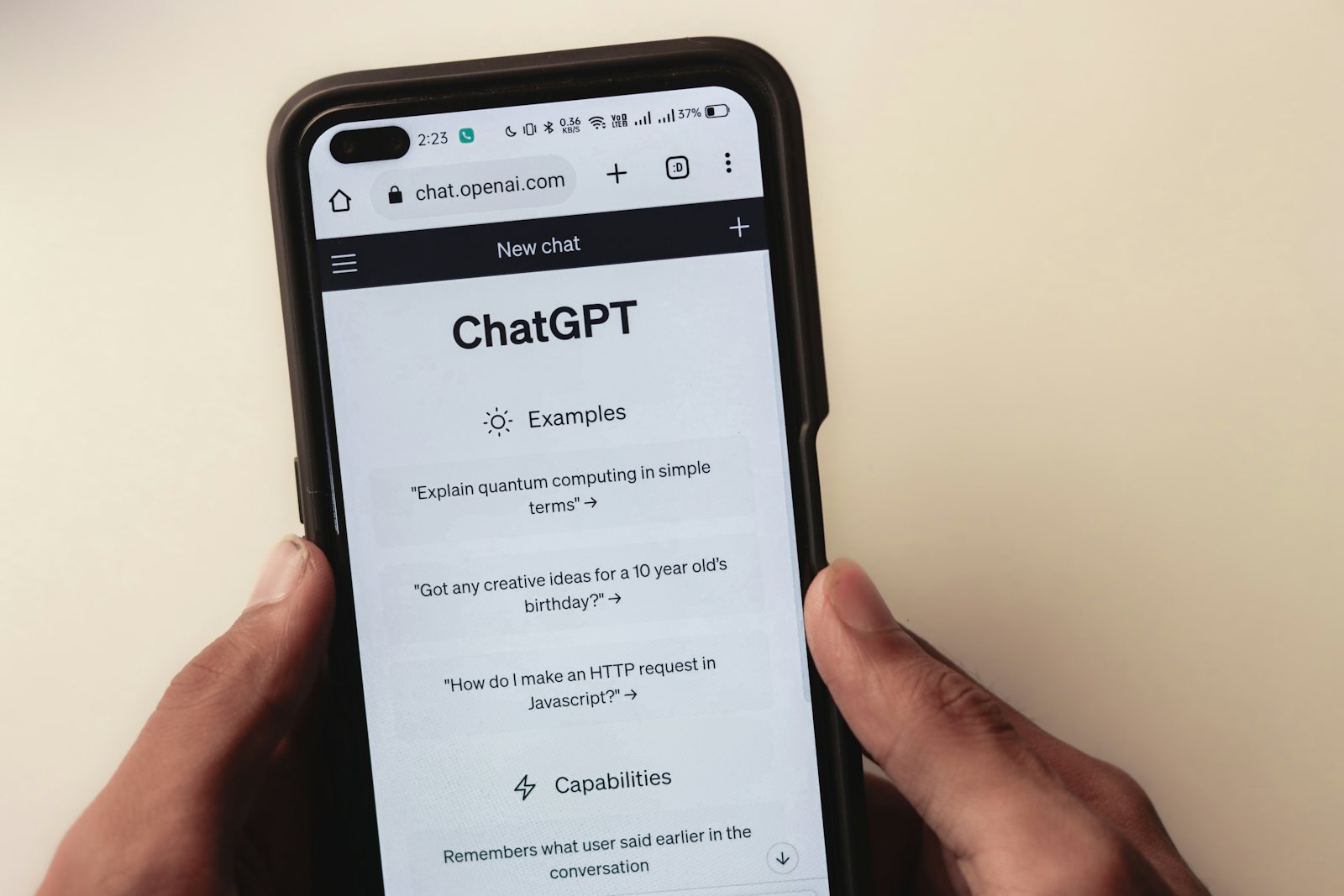
GPTBot, PerplexityBot, and ClaudeBot are now fetching and citing your links at scale. That traffic looks nothing like a human referral in your analytics — here's how to actually tell the two apart.
Two Different Kinds of “AI Traffic”
There are now two distinct ways AI systems interact with a link, and conflating them leads to bad conclusions. The first is a crawler fetch: an AI company's bot (OpenAI's GPTBot, Anthropic's ClaudeBot, Perplexity's PerplexityBot, among others) requesting a page to index it or to answer a specific user query in real time. The second is a human click that originated from an AI chat interface — a person asked a chatbot a question, the chatbot cited your link in its answer, and the person clicked it.
Both show up in raw server logs. Only the second one is a real visitor.
Identifying Crawler Fetches
AI crawlers identify themselves via the User-Agent header, the same way Googlebot always has. A request from GPTBot/1.0 or PerplexityBot is a machine reading your page, typically to decide whether to reference it later — not a person. These requests inflate raw hit counts but shouldn't be counted as visits in any dashboard you use for decisions. Server-side link analytics that parse the user-agent (rather than relying only on client-side JavaScript, which most crawlers don't execute) can filter these out reliably.
Identifying Real Clicks From a Chat Answer
When a human clicks a link that a chatbot showed them, the request typically comes from a real browser user-agent, not a bot signature — the click happens in the person's own browser after the chat interface rendered a normal HTML link. The giveaway is usually in the Referer header: a referrer domain from a chat product's citation or share surface, where one is sent at all. Many chat interfaces open citations in a new tab with no referrer, which means this traffic partially falls into the same "dark social" bucket as pasted links — visible as a click, but not clearly attributed to its source without a dedicated short link for that specific citation.
Why This Matters for Content Strategy
If your analytics show rising direct traffic with no clear explanation, checking for AI crawler fetches and unattributed chat-citation clicks is now a standard diagnostic step, the same way checking for bot traffic from ad fraud was ten years ago. A spike in raw hits with an unusual user-agent distribution and no corresponding referrer activity is a strong signal of crawler indexing activity rather than a real audience shift.
Controlling What Crawlers Can Read
You have some say in which automated systems fetch your pages. The major AI companies publish the user-agent names of their crawlers and state that they honor the rules in a site's robots.txt file, so you can allow or disallow each one separately — for example, allowing a search-oriented crawler while blocking one used for model training. Compliance is voluntary and varies between operators, so robots.txt is a request rather than a lock. If a page is genuinely private, protect it with a login or password instead of relying on a crawler's good behavior.
Keep in mind that blocking crawlers can also mean your content is less likely to be cited in AI answers. That is a real trade-off, and the right choice depends on whether you want your content discovered or kept out of training data.
A Checklist for Unexplained Traffic Spikes
When a link's traffic jumps without an obvious cause, work through these questions before celebrating or panicking:
- Did the extra hits arrive in a tight burst, or spread across hours the way people normally behave?
- Do the user-agents look like ordinary browsers, or do they name a known crawler?
- Is the device and browser mix unusually uniform? Real audiences are messy; automated traffic often isn't.
- Did the visits produce any behavior on the destination page — scrolling, further clicks, sign-ups — or did they stop at the first request?
- Is there a plausible human explanation, such as a mention in a newsletter or a post that went around?
Writing Content That Gets Cited Accurately
If being referenced by AI answers matters to you, the same qualities that help human readers help here: clear headings, direct answers to specific questions near the top of the page, dates on time-sensitive information, and plain statements of what you offer. Pages that bury the answer under long introductions, or make claims without saying where they come from, are harder for any system — human or automated — to summarize correctly. Accuracy on your own pages is the best defense against being misquoted elsewhere.
Keep Two Numbers, Not One
A practical habit is to track two separate figures for any important link: total requests, and requests that look like real visitors. Total requests tell you how much attention your content is getting from all sources, including machines that may later cite it. Real-visitor requests tell you how many people actually showed up. When the two diverge sharply, that gap is worth understanding rather than smoothing over.
What To Actually Do About It
First, don't let crawler hit counts distort your reporting — filter by user-agent at the analytics layer, not just at the CDN or firewall layer. Second, if you want to measure how much of your traffic originates from being cited by AI answers specifically, use a distinct short link on any page or profile where you can reasonably expect AI systems to find and cite it (documentation pages, structured FAQ content, and well-cited reference articles are the most commonly cited page types). That link's click data is the closest practical proxy available for "AI-driven" traffic until platforms provide clearer first-party attribution for citations.