5 Practical Ways Smart Links Change How Marketers Work
Custom aliases, app detection, and per-channel tracking solve real problems marketers face every day. Here's a concrete breakdown of how each one changes campaign performance.
Practical guides on URL shortening, deep linking, QR codes, and link analytics.
Latest Post
A QR code with low scan counts could be a design problem, a placement problem, or a destination problem — and each has a completely different fix. Here's the order to check them in.
All Articles
Showing 18 of 18
Custom aliases, app detection, and per-channel tracking solve real problems marketers face every day. Here's a concrete breakdown of how each one changes campaign performance.
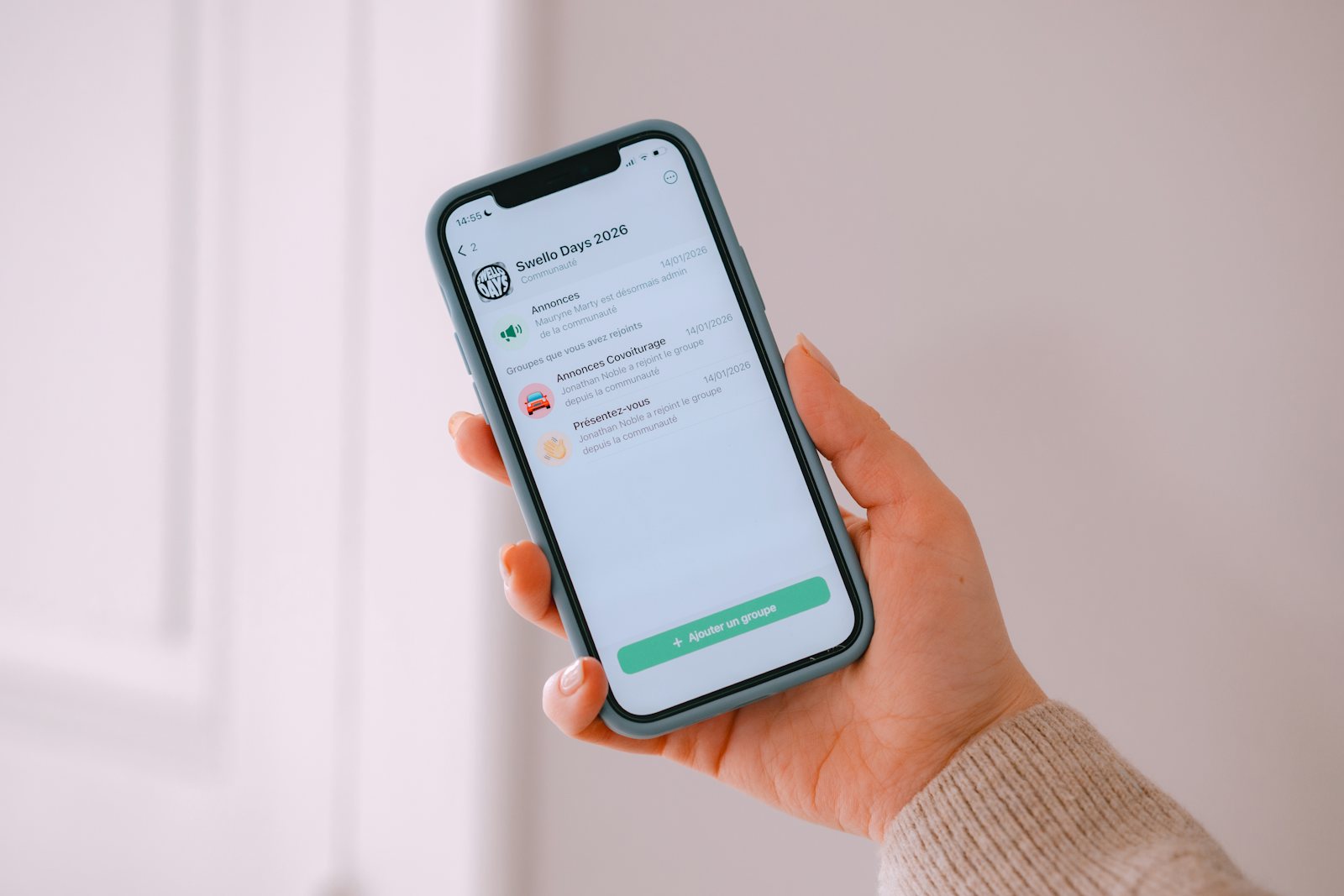
URI schemes, Universal Links, App Links, and graceful fallbacks — the real technical story behind opening a link directly in a native app, and why in-app browsers are a known limitation.
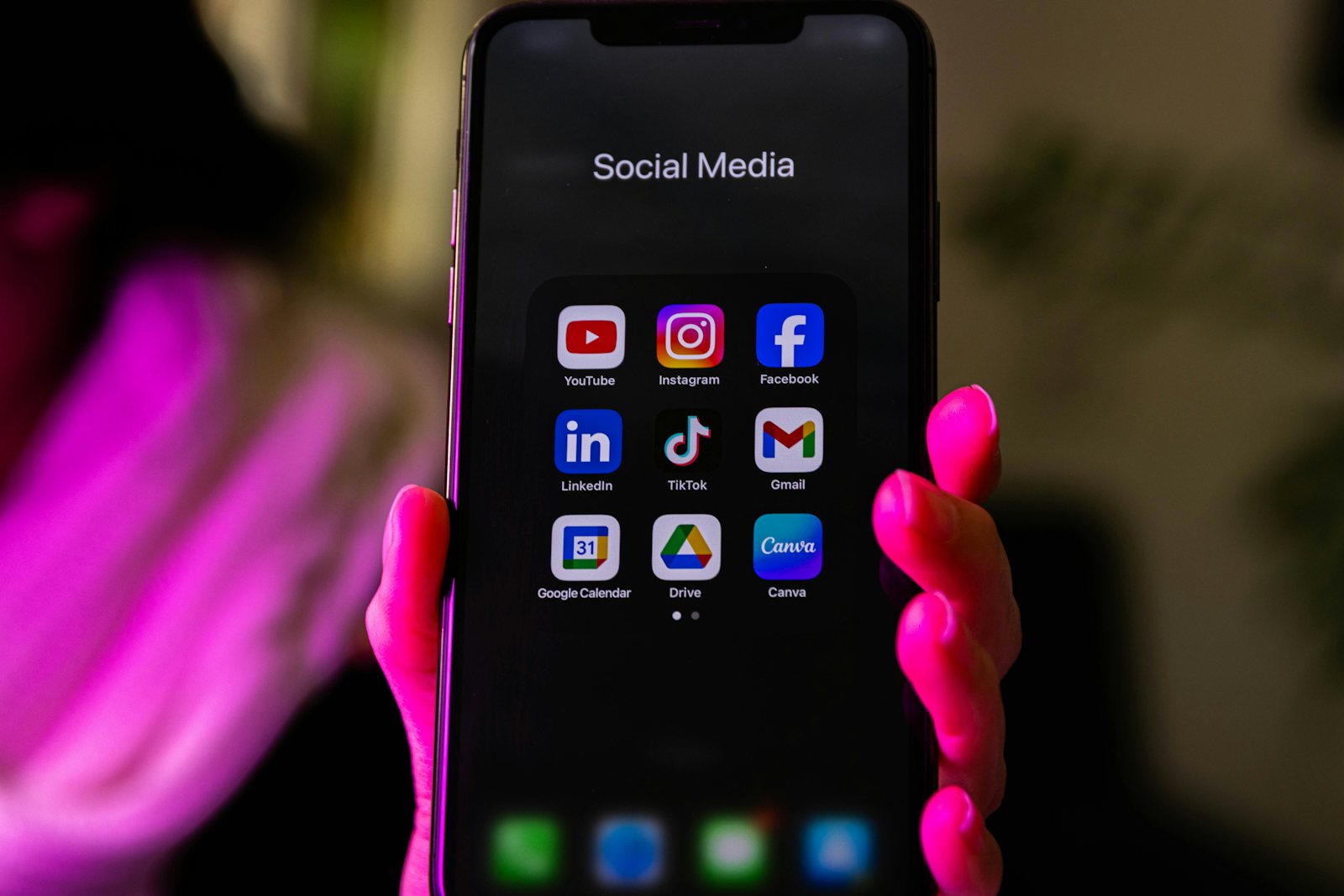
When social clicks convert poorly, the issue is sometimes the browser context rather than the audience. Here is how to diagnose that problem.
Click counts are a vanity metric. Time distribution, geographic data, device split, and referrer source are the four dimensions that actually change decisions.
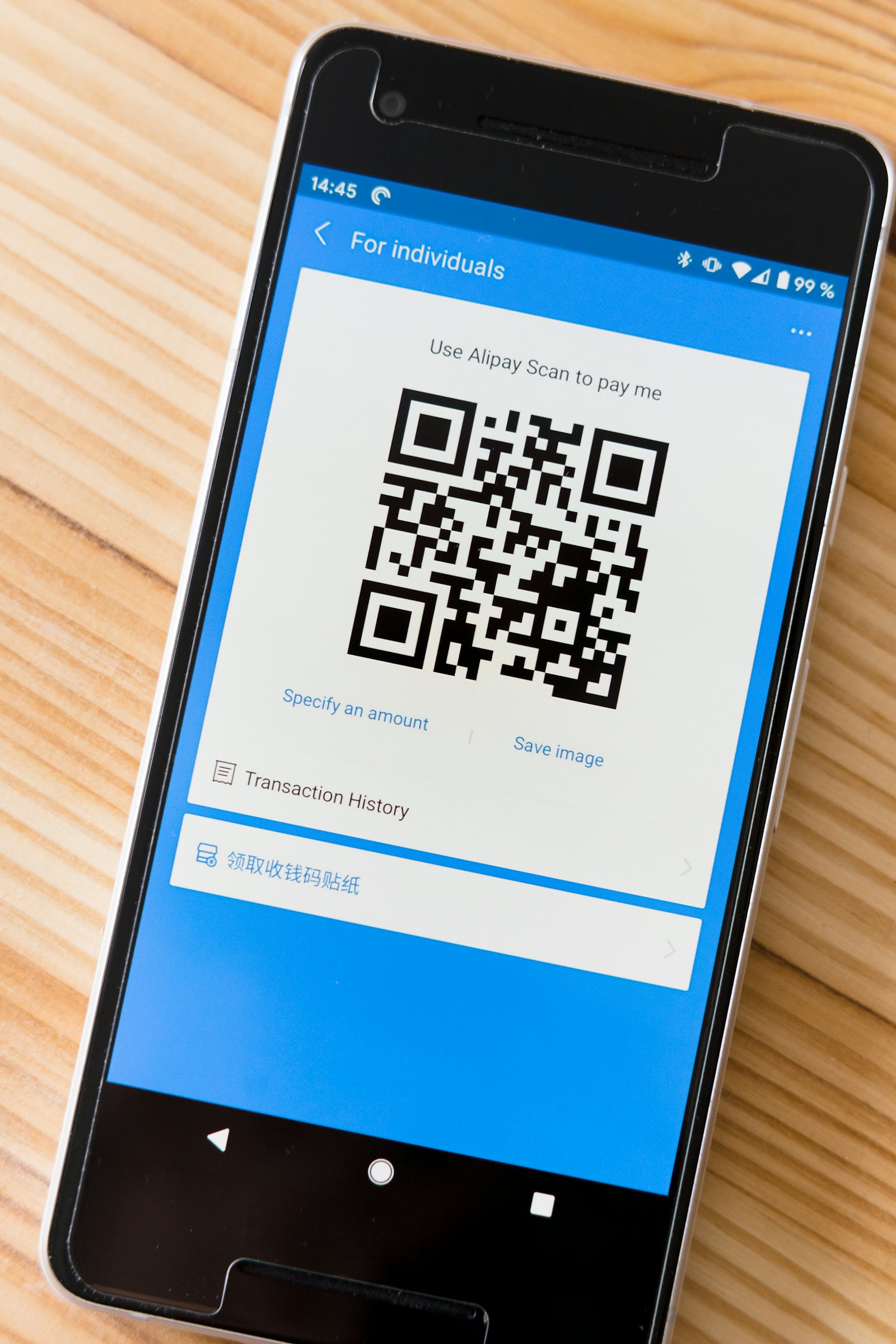
Native camera scanning removed the last barrier to QR adoption. Here's how to use dynamic QR codes correctly — including why pairing them with updatable short links solves the fundamental printed-QR problem.
Generic short URLs trigger the same instincts as phishing links. Custom aliases, HTTPS enforcement, and transparent link previews are the three fixes that actually rebuild audience trust.
When a link is copy-pasted into a DM, Slack thread, or group chat instead of clicked from a page, your analytics have no idea where it came from. Here's how to reclaim that visibility without new tooling.
Link-in-bio pages solved a real problem in 2019. In 2026, they've become an extra tap, an extra load, and a third-party dependency for data that used to be yours. Here's when a direct short link is simply better.
GPTBot, PerplexityBot, and ClaudeBot are now fetching and citing your links at scale. That traffic looks nothing like a human referral in your analytics — here's how to actually tell the two apart.
App Tracking Transparency, Enhanced Tracking Protection, and third-party cookie restrictions have each removed a layer of click tracking. Server-side, first-party redirect logging is one of the few methods still fully intact.
Multi-touch attribution is usually sold as a six-figure platform problem. Most small teams can approximate the same insight with per-channel short links, timestamps, and a spreadsheet.
WhatsApp, Telegram, and iMessage all fetch a link once to generate a preview card — before any human ever clicks it. Confusing that fetch with a real visit is one of the most common link-analytics mistakes.
The retail industry's shift toward 2D barcodes at the point of sale is quietly making QR codes a packaging-design requirement, not just a marketing option. Here's what that means for anyone printing physical materials this year.
Generic shortener domains carry an accumulated trust cost after a decade of spam and phishing association. A branded short domain trades a little setup complexity for a link that looks like it belongs to you.
You can't see where a shortened URL goes just by looking at it — that's the entire point of shortening it. Here's a concrete, non-technical checklist for deciding whether to trust one anyway.
Most teams don't think about link governance until an internal-only document gets shared with a client, or a link that should have expired keeps working a year later. A short, practical policy prevents both.
Three months of click data feels like enough to draw conclusions. Most of the mistakes people make with it are methodology mistakes, not data quality problems — here's the checklist we use before trusting any trend.
A QR code with low scan counts could be a design problem, a placement problem, or a destination problem — and each has a completely different fix. Here's the order to check them in.
Create a free short link with smart app detection and real-time analytics — no account required to start.
Get Started Free