How App-to-App Redirection Actually Works: Deep Links Explained
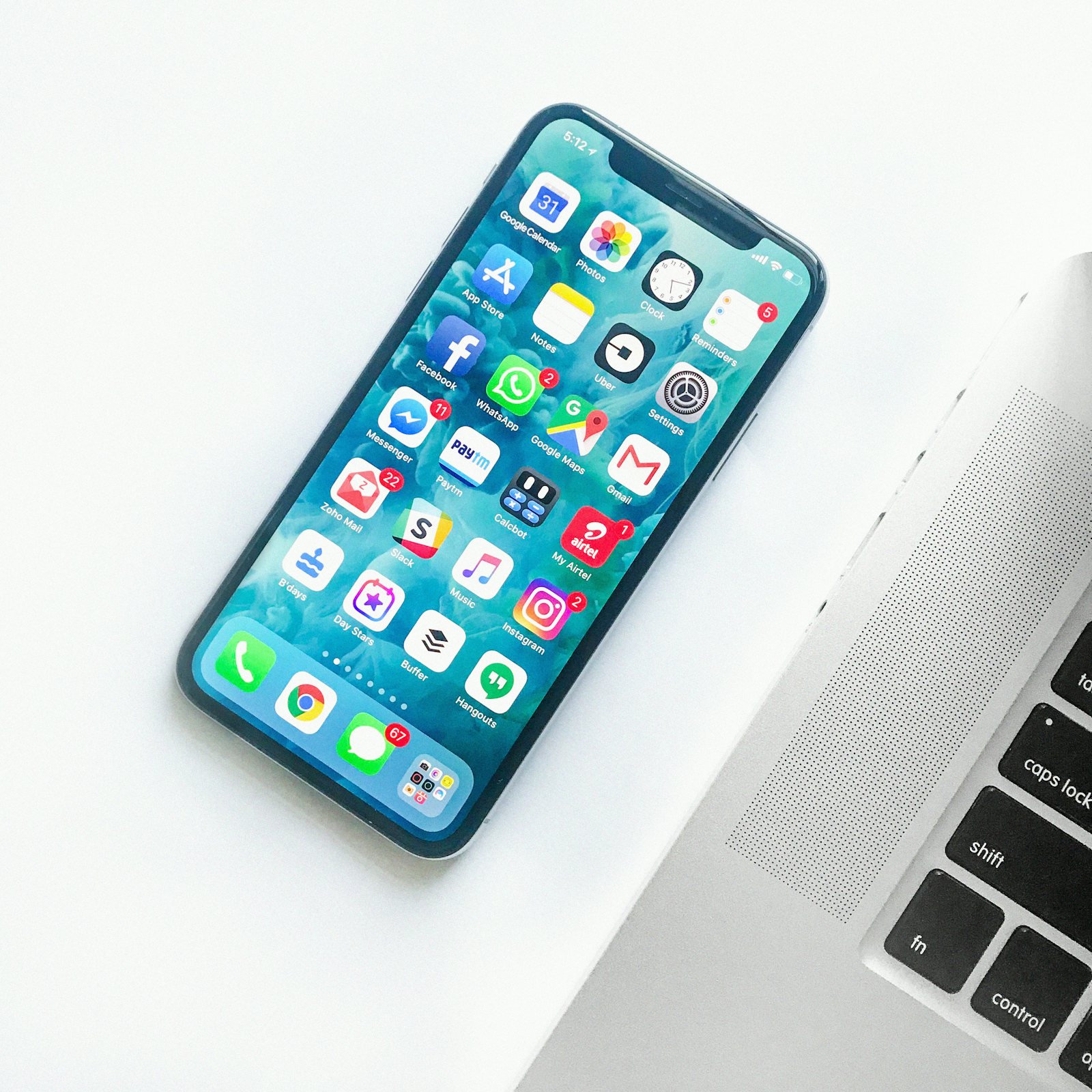
URI schemes, Universal Links, App Links, and graceful fallbacks — the real technical story behind opening a link directly in a native app, and why in-app browsers are a known limitation.
The Problem: Every Link Opens in a Browser
By default, when you tap a link on your phone, the OS hands it to whichever browser is set as the default. Even if you have the YouTube app installed, tapping a youtube.com link in an email opens Safari or Chrome — not YouTube. This is the standard behavior, and it's worse for users in almost every case.
URI Schemes: The Original Deep Link
The first solution was custom URI schemes. Apps register a unique protocol prefix with the operating system — YouTube uses youtube://, Spotify uses spotify://. When the OS sees a URL starting with that prefix, it hands it to the registered app instead of the browser.
The problem: URI schemes are not standardized. youtube://watch?v=abc works on iOS but the equivalent intent syntax on Android is different. And if the app isn't installed, the OS throws an error — there's no fallback.
Universal Links (iOS) and App Links (Android)
Both platforms introduced a better system. Universal Links (Apple, iOS 9+) and App Links (Google, Android 6+) work by associating a domain with an app through a verified configuration file hosted on that domain. When the OS encounters a standard HTTPS URL from an associated domain, it opens the app directly instead of the browser — with automatic fallback to the browser if the app isn't installed.
Because these systems work on ordinary HTTPS URLs, a normal short link can take part in them when the destination's owner has published the association files. The important detail is who is in control: the operating system and the destination's own configuration decide whether an app opens, not the link shortener.
Why In-App Browsers Are a Hard Limitation
When a link is tapped inside Facebook, Instagram, or any other app that uses its own in-app browser (a WebView), the OS never sees the URL at all. The app's WebView handles the request internally, which means URI schemes and Universal Links don't fire. This is a sandboxing decision by the app, not a limitation of PocoLink or any link shortener. The only way around it is for the user to tap "Open in browser" — which most users don't do.
How PocoLink Fits In
PocoLink issues a standard HTTPS redirect to the destination you set. Its Advanced Routing feature can send different visitors to different destinations by device or country — for example, iOS visitors to an App Store page and Android visitors to Google Play. That is the most dependable way to get someone into an app when a plain web link isn't enough. Whether a web destination such as a video or music URL then opens an installed app is decided by that destination's own Universal Link or App Link setup and by the app the link was tapped in. PocoLink does not override that behavior, and it varies between OS versions, so test on real devices before a campaign.
Choosing the Right Approach
There is no single best deep-linking method; each fits a different situation:
- Plain HTTPS link: Works everywhere, opens in the browser. The safest default when you don't need an app experience.
- Universal Links / App Links: Best when you own the domain and the app. The same URL opens the app if installed and the website if not.
- Custom URI scheme with a web fallback: Useful for apps you don't control the domain for, but the fallback logic has to be built by you, and unsupported schemes can show an error.
- Device-based routing to store listings: The right choice for "install our app" campaigns, where the goal is to reach the App Store or Google Play page that matches the visitor's phone.
Common Ways Deep Links Fail
Most broken deep links come from a short list of causes. On iOS, Universal Links are designed to respond to a user tapping a link; typing or pasting a URL into the Safari address bar generally opens the website instead, and behavior can differ when the link is reached through a redirect. On Android, links open an app directly only when the app has verified the domain through a hosted asset-links file; unverified links may show a chooser or open in the browser depending on the Android version. Finally, any app that displays web content in its own built-in browser can bypass all of this, which is why a link that works from a text message may behave differently inside a social app.
How to Test a Deep Link Properly
Build a small test matrix and run it on real phones before a campaign goes live. Vary three things: the operating system (iOS and Android), where the link is tapped (messages, email, a social app, the browser), and whether the app is installed. For each combination write down what actually happened — opened the app, opened the browser, or showed an error. Emulators are a poor substitute because they rarely reproduce the app-association behavior of a real device. Repeat the test after OS updates, since deep-link handling has changed between versions.
A Practical Recommendation
For most campaigns, aim for a link that always works and sometimes works better. Use a normal HTTPS destination as your baseline, add device-based routing only where you have a clear app-install goal, and treat "opens the native app" as a bonus rather than something your campaign depends on.